Upward Bound
Débuts in Serenade and Paquita

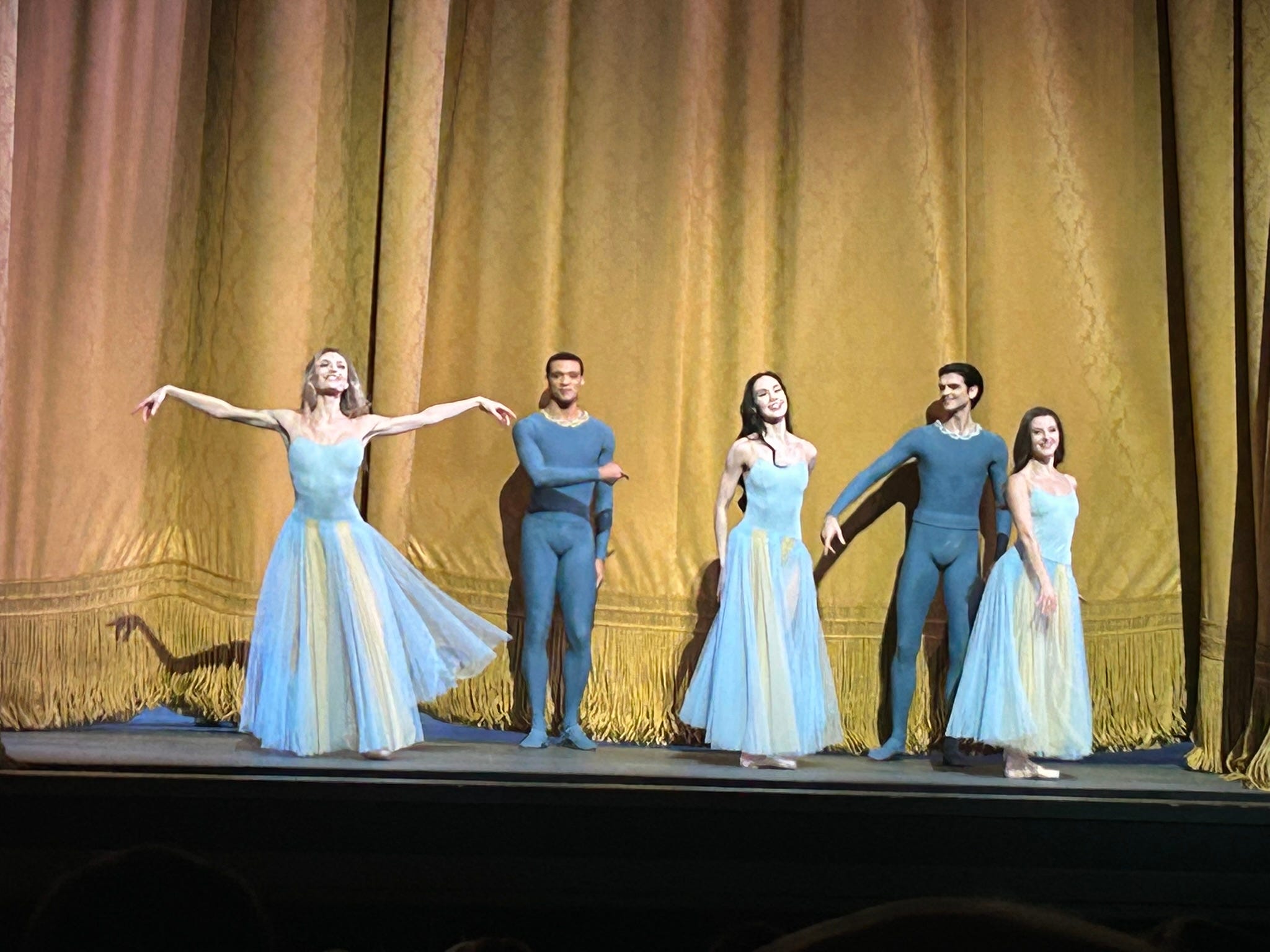
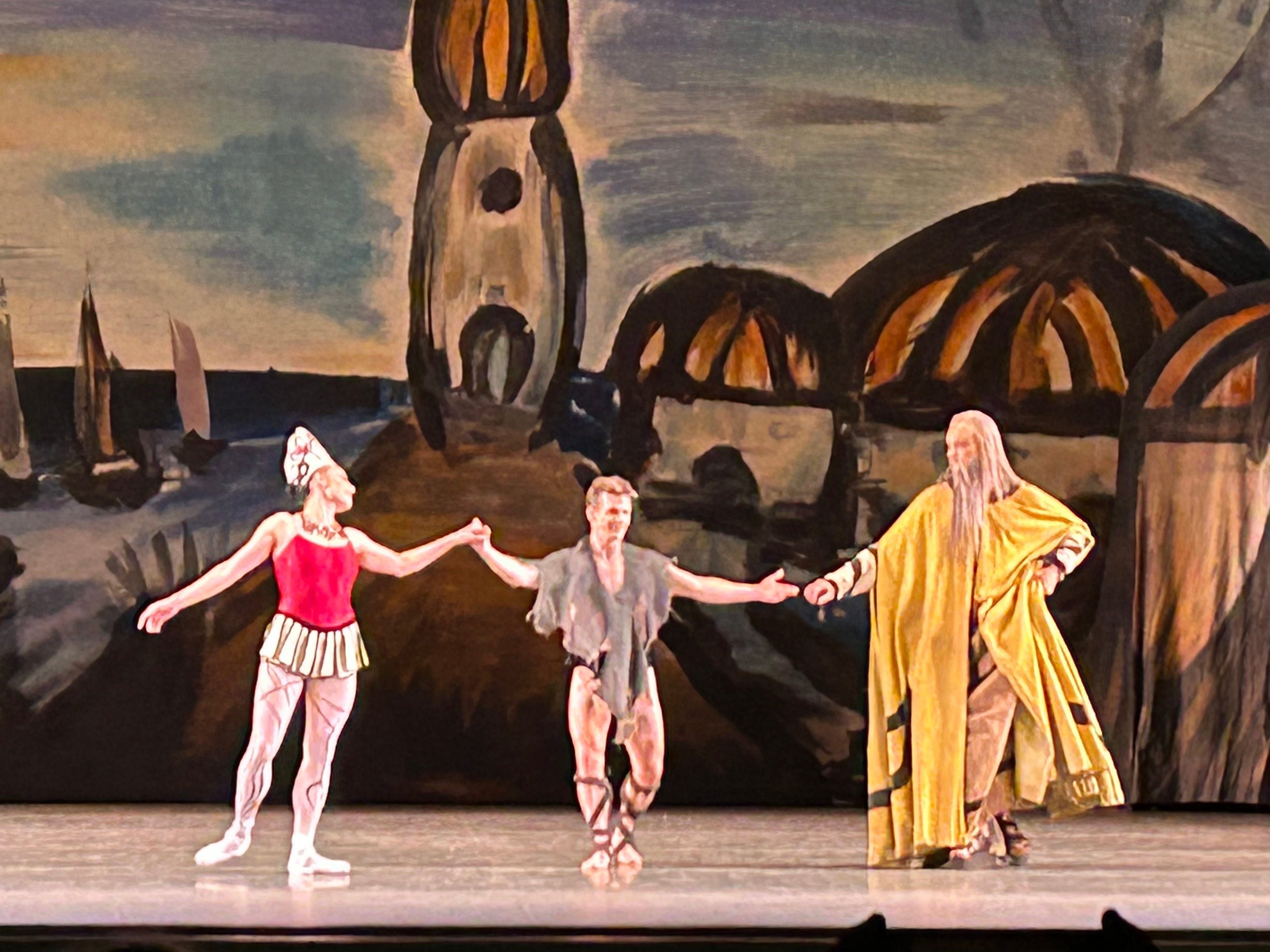
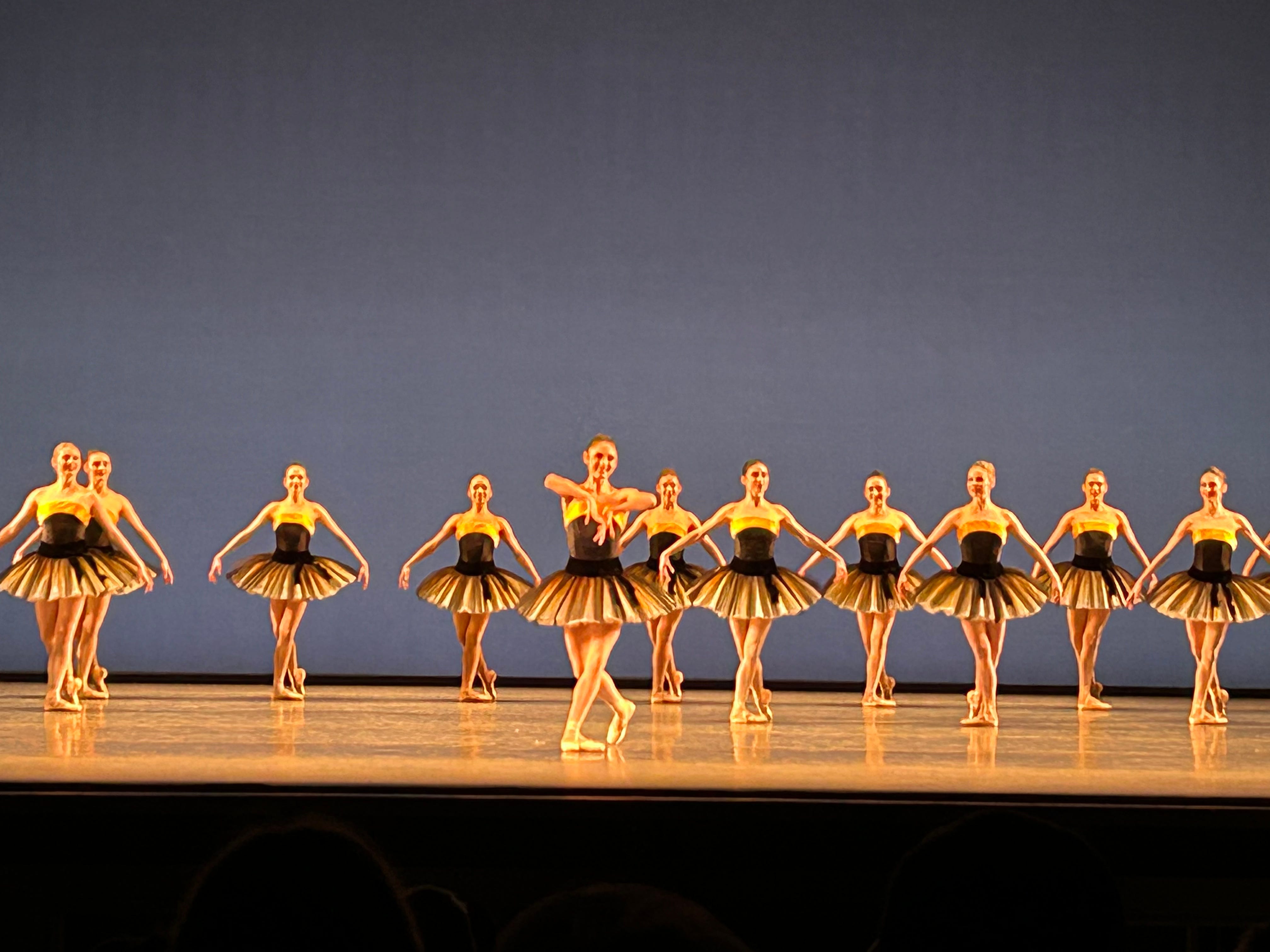
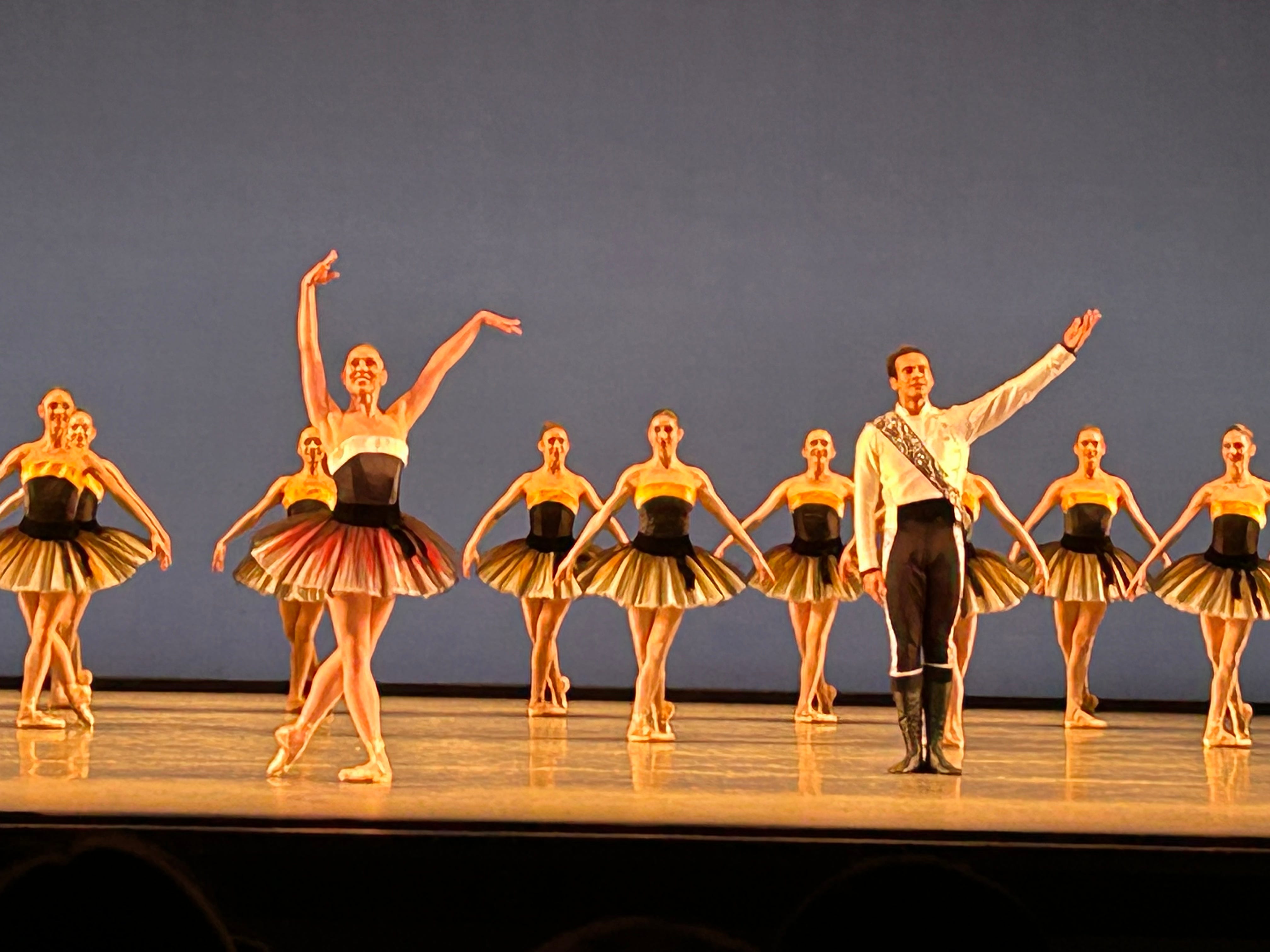
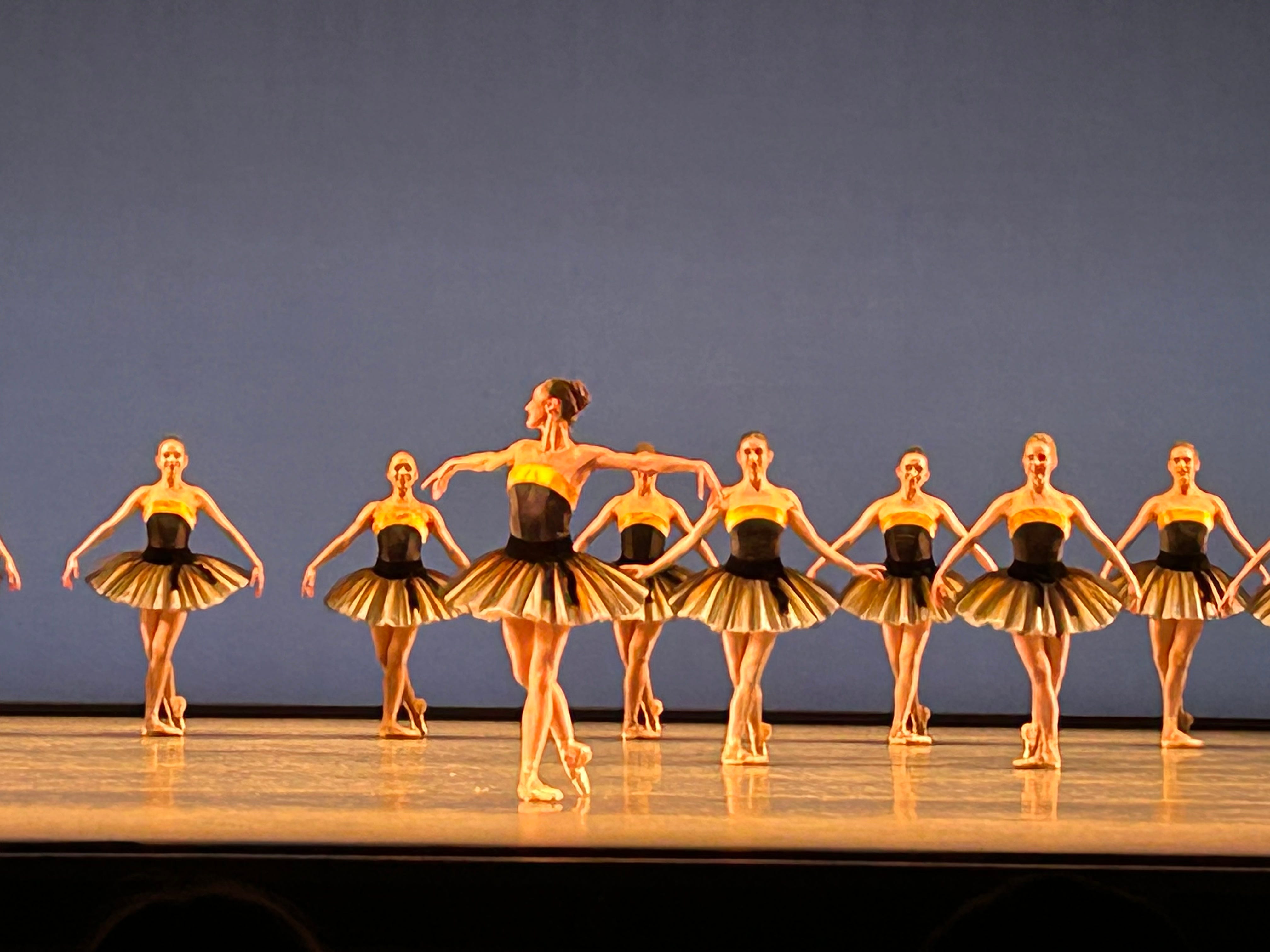
One of the things an extraordinary performer can do is bring new profundity to a moment you’ve seen a hundred times. So it was with Mira Nadon’s début in Balanchine’s Serenade last night at New York City Ballet. As the ballet drew toward its quasi-religious ending, in which one of the three lead ballerinas approaches a waiting woman and kneels before her, Nadon looked up. Her entire face shone; her eyes seemed to fill with love, acceptance, wonder, loss. It dawned on me that this ballet is the female version of Stravinsky’s Le Baiser de la Fée—a ballet about the transcendence of art. In the final diagonal, as the ballerina is carried toward the light, the ballerina is shedding her earthly form and becoming an artist. It is an ascension. The ending had never struck me with such force. It was a tremendous début for Nadon, who danced with her usual mix of abandon and inwardness. Her jumps seemed to be lifted up by a breeze. The entire cast performed beautifully. The corps moved, and breathed, with a singular focus. Miriam Miller bent and twisted with the swelling waves in the Tchaikovsky score. Indiana Woodward’s feet flickered like fireflies, her body moving through space as if propelled by joy. The program continued with a moving performance of Prodigal Son, led by Daniel Ulbricht and a commanding Sara Mearns. But Paquita was even more uneven than on opening night. The ensembles were ragged and a little flat. And Isabella LaFreniere, débuting in the lead, seemed miscast, lacking the combination of radiance and wit that sets the tone for the entire ballet. LaFreniere didn’t play with the music, or show the contrasts between different kinds of steps. Not even the relaxed, courteous partnering of Ryan Tomash (on loan from the Royal Danish Ballet) could compensate for the lack of sparkle. Even so, there were standout performances, in particular that of Kloe Walker, substituting for Naomi Corti: elegant, sharp, and filled with beautiful turns, polished off with style.